
Teaching Kindness in Preschool: Beyond Valentine’s Day
Jan 30th 2026
As Valentine’s Day approaches, classrooms around the world are filled with red and pink decorations, heart-shaped crafts, and sweet sentiments about friendship and love. While this holiday provides an excellent opportunity to celebrate affection, it also serves as a unique springboard for year-round lessons in kindness, empathy, and social-emotional growth.
Understanding Social-Emotional Learning
Social-emotional learning (SEL) encompasses the skills we need to understand and manage our emotions, establish positive relationships, and make responsible decisions. For preschoolers, the foundations of SEL can begin with simple Valentine’s Day activities that emphasize empathy and friendship. However, why stop there? Incorporating these lessons into daily routines and interactions can create a year-round culture of kindness in the classroom.
Creative Activities for Kindness
Heartfelt Crafts
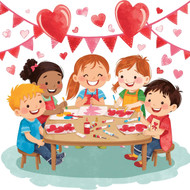
Begin by utilizing Valentine’s Day crafts to foster connections among peers. Projects involving creating cards for family members or classmates can help children articulate their feelings. These activities not only enhance fine motor skills but also encourage children to think about how their gestures can affect others' emotions.
Kindness Projects
After Valentine’s Day, consider adopting a “kindness project” theme that lasts throughout the year. This could involve setting up a “Kindness Tree” in the classroom where children can hang paper leaves with acts of kindness they’ve performed or witnessed. This visual representation can act as a constant reminder of the importance of empathy and support.
Story Time with a Twist
Integrate stories that highlight themes of kindness and friendship into your curriculum. After reading, facilitate discussions on the characters' choices and the feelings of those involved. Use questions like, “How do you think that made them feel?” to deepen understanding of empathy and encourage children to express their own feelings.
Play-Based Learning
Role-playing games can be an engaging way to teach conflict resolution skills. Create scenarios where children have to navigate friendship dilemmas or resolve misunderstandings. These interactive methods will help them practice verbalizing their emotions and finding solutions: essential skills for developing healthy relationships.
Kindness Challenges
Create simple challenges that promote kindness throughout the week. For example, “Say something nice to three friends” or “Help a classmate with a task.” Incorporating these challenges not only keeps the spirit of Valentine’s Day alive but also establishes a habit of kindness within the classroom environment.
Linking Kindness to Daily Routines
Beyond structured activities, integrating kindness into daily routines is crucial. Encourage children to greet each other warmly at the beginning of the day, share materials, or collaborate on tasks. Simple verbal prompts like “What can you say to make your friend smile?” can create an atmosphere of thoughtful interaction.
The Role of Educators and Parents
As educators, we play a significant role in modeling kindness. Use teachable moments to demonstrate empathy when resolving conflicts or providing emotional support. Parental involvement is also vital; share tips and activities with parents that can reinforce these lessons at home, extending the reach of kindness beyond the classroom.
Valentine’s Day can be a beautiful starting point for cultivating a culture of kindness within your preschool classroom. By embedding lessons of empathy, friendship skills, and social-emotional learning into daily practices, we create well-rounded children who value compassion and community. With thoughtful planning and a commitment to fostering these essential skills, we can ensure that kindness is not just celebrated on one day but celebrated all year round.